40-Hour Sous-Vide Pork Belly Kakuni
Translated from my original Japanese post (2019). 日本語の原文を読む →
Salut! It's Yoko, a cook who's a little too in love with France!
I made kakuni (Japanese braised pork belly) with the Anova sous-vide cooker I recently bought!
I tracked how it changed at different temperatures over 40 hours, lol
I hope this helps anyone who wants to make kakuni sous-vide.
Sous-vide kakuni is quite a challenge
I had a real reason for wanting to try kakuni.
Kakuni is normally made with pork belly, right?
Unlike the roast beef I made the other day, pork belly is roughly half connective tissue (collagen) and half lean meat.
Which means that the lean meat and the connective tissue each need a different sous-vide temperature range to become tender and delicious.
The details are in the post below,
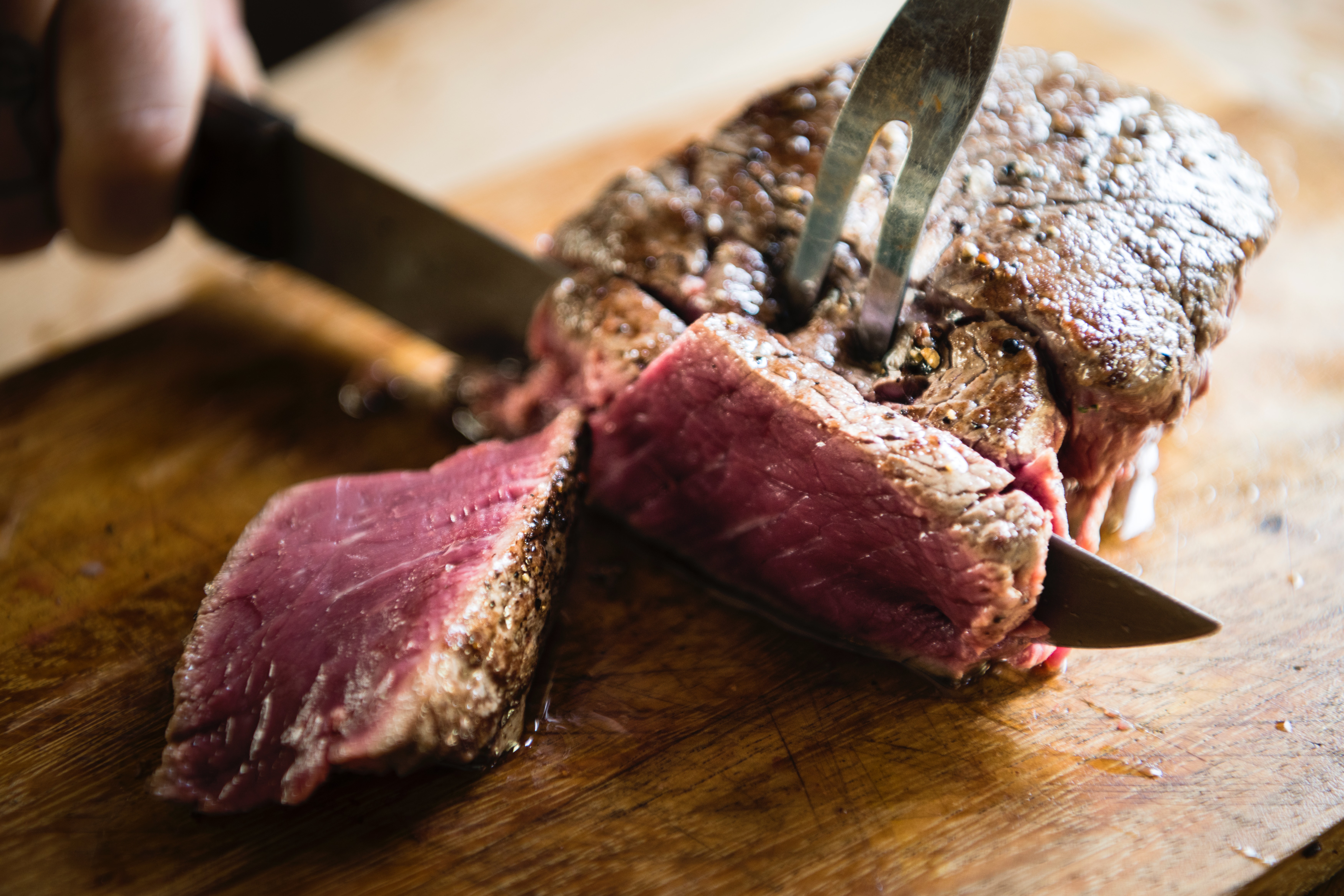
but to melt the pork fat to a reasonable degree and turn the collagen-rich connective tissue into soft, wobbly gelatin, you need to cook at a fairly high temperature, and that overcooks the lean meat.
So the strategy is to cook for a long time at a low temperature, just under 60 degrees.
My ideal sous-vide kakuni
My ideal kakuni is one where the fat has melted and mostly rendered out, there's no gamey smell, the connective tissue has turned into wobbly gelatin, the lean meat is still faintly pink, and the flavor has soaked in well!
It varies a bit from person to person, but I think most people like kakuni like this.
So the question for this experiment is: at what temperature and for how many hours can you cook it so that the lean meat doesn't dry out and the connective tissue turns soft and gelatinous?
7 hours at 55.5 degrees
I decided to start by pushing right up against the edge of very low temperatures.
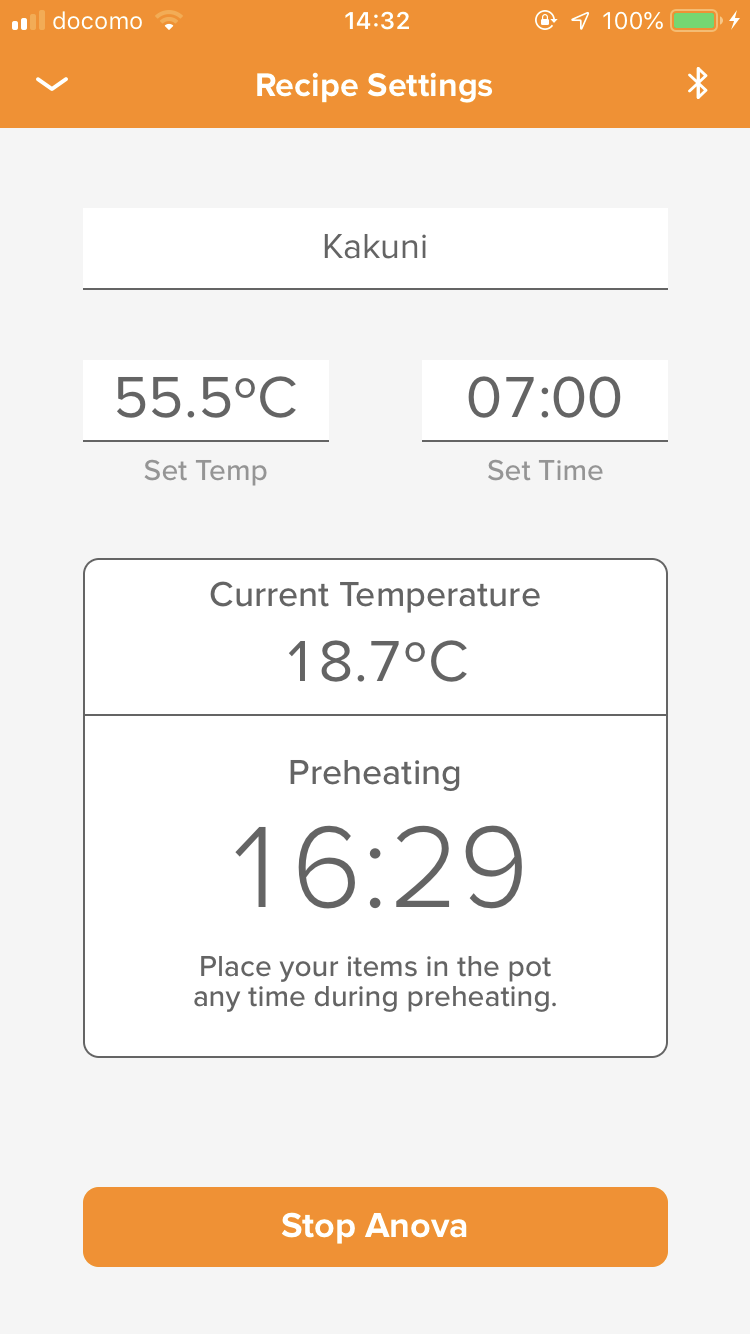
So I set the Anova to 55.5 degrees.
Put ginger, the green part of a scallion, and the pork into a bag.

It was a big piece of pork belly, so I split it into a fattier part and a leaner part, put them in two zip bags, and added sake to one of them. Squeeze out the air and seal tightly.

I cooked it sous-vide from 14:30 to 21:30, 7 hours in total.

Here it is after 7 hours!

When I cut it, the lean part was pink and moist.

But when I took a bite, quite a lot of connective tissue was still there, and the fat was front and center, which made it a bit heavy...
55.5 degrees isn't suited to kakuni
Thinking the heaviness might just be from too little cooking time, I put it back in the Anova and kept cooking at 55.5 degrees.
But after another 2 hours there was almost no difference in texture, so I concluded that 55.5 degrees is too low to make kakuni.
Maybe it's possible, but it would probably take a very long time.
Kakuni at 58 degrees, 12 hours in
After 10 hours at 55.5 degrees I still hadn't reached my ideal kakuni, so I switched to 58 degrees.
I tried a second round of sous-vide, a solid half day from midnight to noon.

By the way, the low-water-level alarm went off at 3, 6, and 9 a.m., and each time I got woken up, which was rough... (crying)
And here's how the leaner piece turned out!

When I cut it, the fatty part was clearly more translucent!!
Looking at the fattier piece, you can see the fat has melted more than it did at 55.5 degrees!

I took a bite with high hopes... but still heavy! lol
I took the less fatty piece of pork belly out of its bag and decided to sear it.

To help it cook through further, I cut it up.

I put it back in the bag, added the seasonings, and reheated it.

For the other bag, I skipped the searing, added the seasonings, and reheated it.
Kakuni after 16 hours at 58 degrees
Still at 58 degrees, this is what I took out at 16:30.

It was getting more translucent, but not much fat was coming out yet. I felt I'd hit the limit of cooking in the 50s, so I raised it to 60 degrees.
Kakuni after 7 hours at 60 degrees
I cooked at 60 degrees until 23:30.
Plenty of fat had floated up and it looked good, so I let it rest in the fridge for a day!
In the end, the temperatures and times I used this round were
9.5 hours at 55.5 degrees, 24 hours at 58 degrees, and 7 hours at 60 degrees,
which came to a shocking 40 hours 30 minutes!!
Tasting the sous-vide kakuni
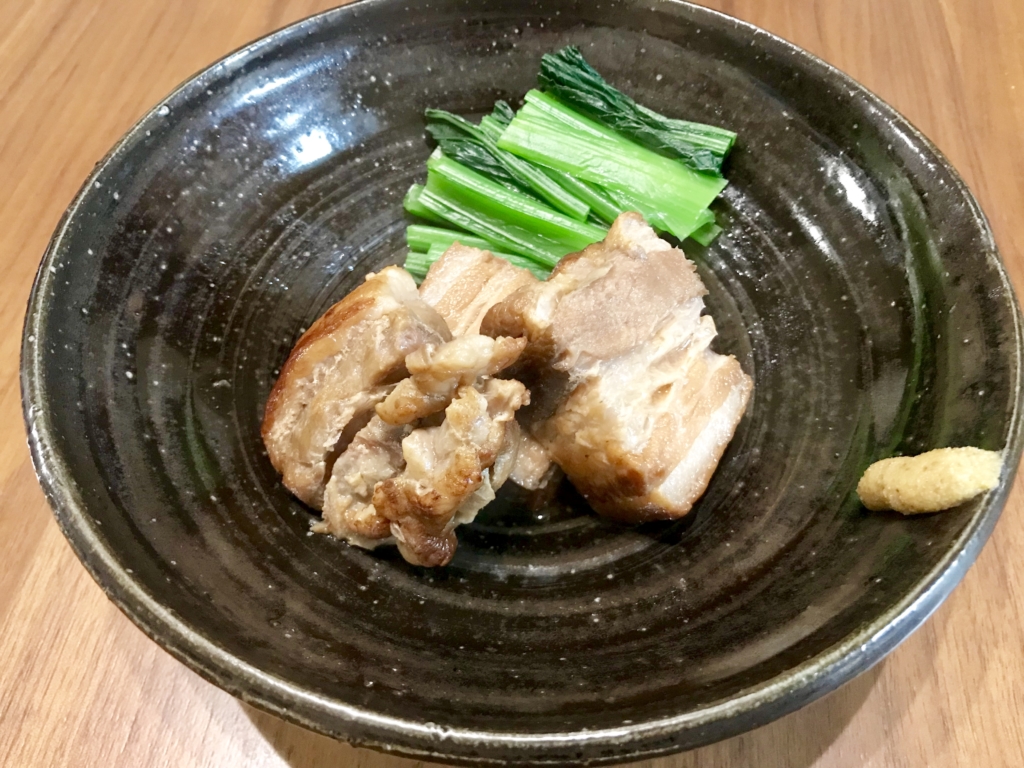
Ta-da! This is the kakuni that took 40 and a half hours...!
First, the fattier piece that I didn't sear.

Huh...?
Quite a lot of fat is still there!!

I'm not a fan of fatty bits, so this is a bit much for me.
The flavor hadn't soaked in much either.
Next, the less fatty piece I seared. How is it...?
It looks more appetizing than the last one!
This one had decent flavor soaked in, and searing reduced the fat so it was relatively light to eat.

Maybe kakuni doesn't need sous-vide!?
In this experiment, of the fattier cut, the seared piece turned out relatively tasty.
But!!
My conclusion is that you can't make ideal kakuni by cooking below 60 degrees!
It's purely a matter of taste, but for 40 and a half hours of cooking, the fat hadn't rendered out enough,
and to me it still felt a bit far from my ideal kakuni...
Also, leaving the Anova running for 40 hours is honestly a bit unrealistic...
I should prioritize turning the collagen into gelatin and raise the temperature a bit more.
Considering the time too, I think cooking at 60 degrees or higher at the very least is best. (Though then it's no longer really low-temperature cooking.)
Above 66 degrees the lean meat loses moisture, but I wonder if that might actually let the seasoning soak in where the moisture left.
I made this kakuni before I researched the best temperatures for sous-vide, so I'll definitely try again soon...!!
If you want to make kakuni with an Anova or another sous-vide cooker, either cook it at 60 degrees or higher, or just make it normally in a pot!
See you next time! Au revoir!