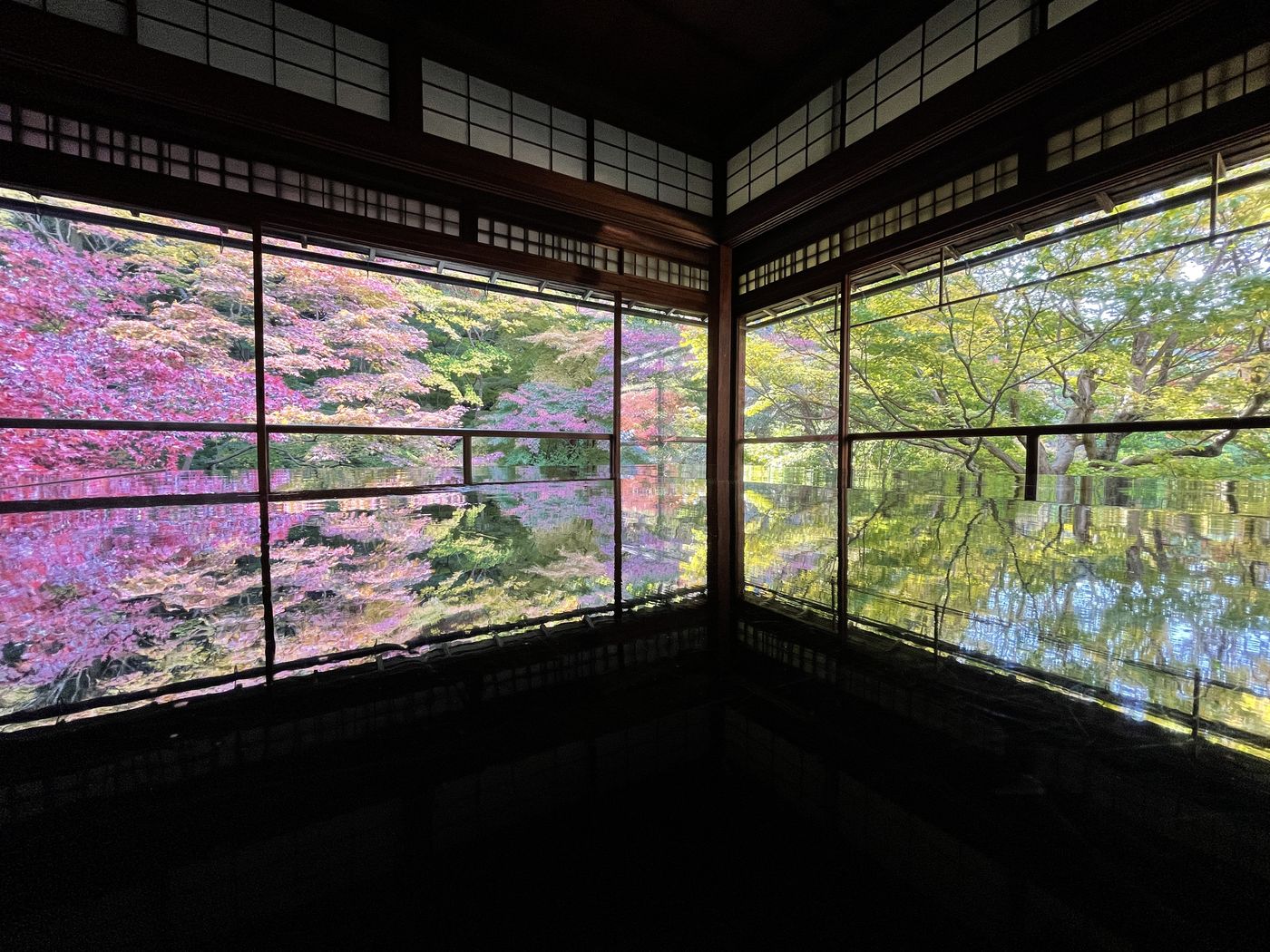

Hi, I'm Yoko — born and raised in Tokyo, a foodie who's travelled 58 countries. Here's the essence, seen through the eyes of a local who loves to travel. @yoko.eats.the.world
Japan basics
Currency: Yen (¥). As of September 2026, US$1 ≈ ¥154 — check the latest rate on xe.com. In the cities, cards and tap-to-pay work almost everywhere, but small restaurants at lunchtime, family-run shops, and rural areas are often cash only.
Rough daily budget (per person, excluding hotel): ¥8,000 covers three good meals plus trains. Add ¥10,000 and you're having a Michelin-level dinner.
Language: Japanese — written with three sets of characters at once: kanji, hiragana, and katakana. Station signs and train announcements are in English too. Hotel staff usually speak some English; restaurants and shops are mostly Japanese only. Google Translate's camera covers the rest.
Visa: Here's how it works for short tourist stays. Rules change, so always double-check on the official Ministry of Foreign Affairs page before you fly.
*¹ Passport must include a personal ID number *² ICAO-compliant ePassport only *³ ePassport plus visa-waiver registration in advance
Getting around: Trains and buses reach almost everywhere. Shinkansen (bullet train) or plane between cities, subway within them. Add Suica to your phone and you'll never buy a ticket — it works on trains and buses alike (→ see 6. Apps).
Safety: Japan ranks 10th of 163 countries in the 2026 Global Peace Index. Lost wallets come back. Earthquakes do happen, though — install the Safety tips app for English alerts (→ see 6. Apps).
Weather by month (Tokyo)


← swipe →
Avoid if you hate crowds: late March–early April (sakura), Golden Week (Apr 29–May 5), Obon (mid-August), Silver Week (late September, some years), and New Year (Dec 28–Jan 3). Hotel prices double.
Where to go
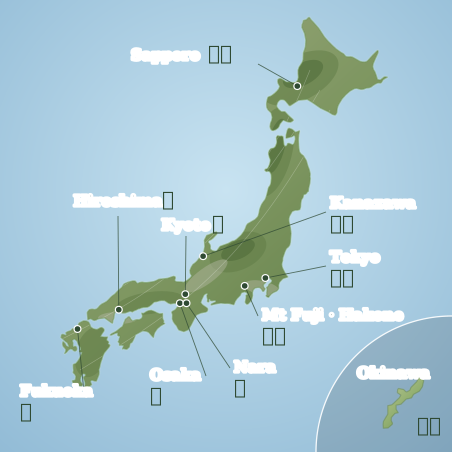
 Tokyo 3–4 days+
SeeShibuya Crossing, Senso-ji temple, Shinjuku at night, teamLab
EatSushi at a counter, monjayaki — and food from every country on earth
 Kyoto 2–3 days+
SeeFushimi Inari's red gates, Kinkaku-ji, Arashiyama bamboo, Gion, 1,000+ temples
EatYudofu (tofu hot pot), matcha sweets, kaiseki if you splurge once
 Osaka 1–2 days+
SeeDotonbori neon and street food, Osaka Castle, Universal Studios
EatTakoyaki and okonomiyaki, standing up
 Nara 1 day+
SeeTodai-ji's Great Buddha, deer roaming the park
EatKakinoha-zushi, narazuke pickles
 Hiroshima & Miyajima 1–2 days+
SeePeace Memorial Park, the floating torii gate
EatHiroshima-style okonomiyaki, grilled oysters
 Mt Fuji & Hakone 1 day+
SeeFuji views, hot springs, ropeways
EatRyokan kaiseki dinner, black eggs boiled in the hot springs
 Kanazawa 1–2 days+
SeeKenroku-en garden, samurai and geisha districts
EatMorning seafood bowl at Omicho Market, gold-leaf soft serve
 Fukuoka 1–2 days+
SeeYatai street-stall alleys, Dazaifu Tenmangu shrine
EatTonkotsu ramen at a yatai, motsunabe
 Hokkaido (Sapporo) 3 days+
SeeSnow, skiing, wide-open nature
EatMiso ramen, soup curry, crab
 Okinawa 3 days+
SeeBeaches, diving, a culture all its own
EatSoki soba, goya champuru, awamori
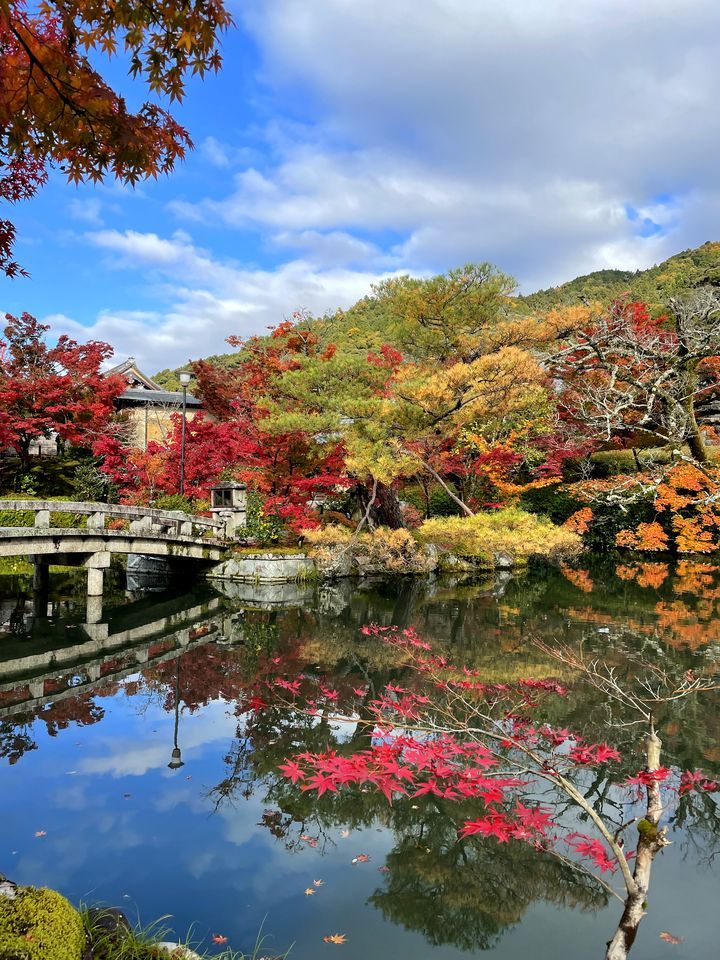
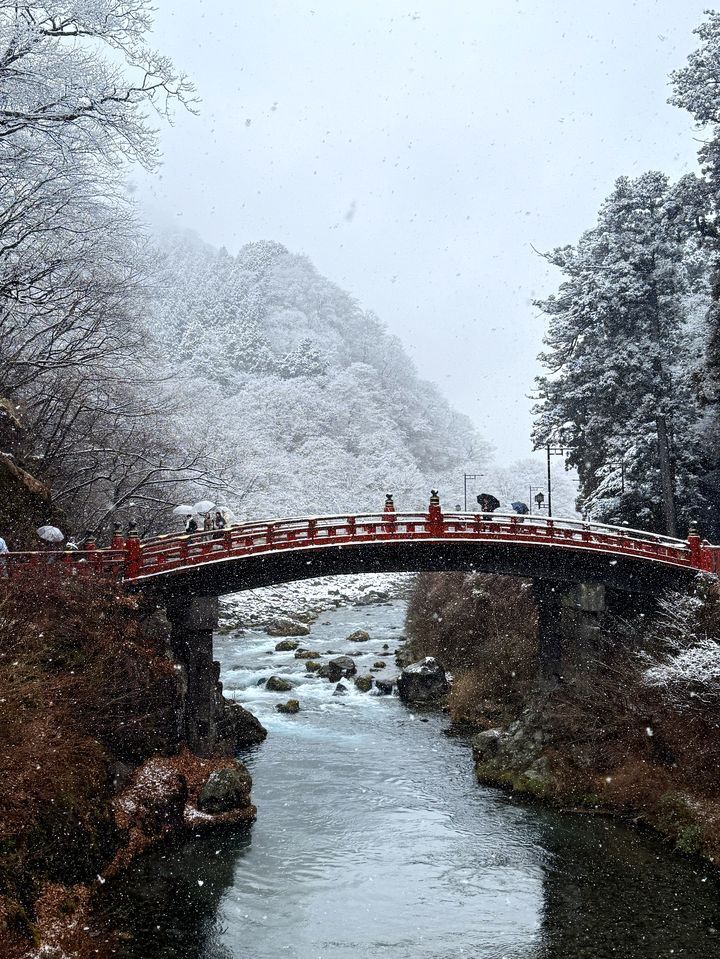
Season by season
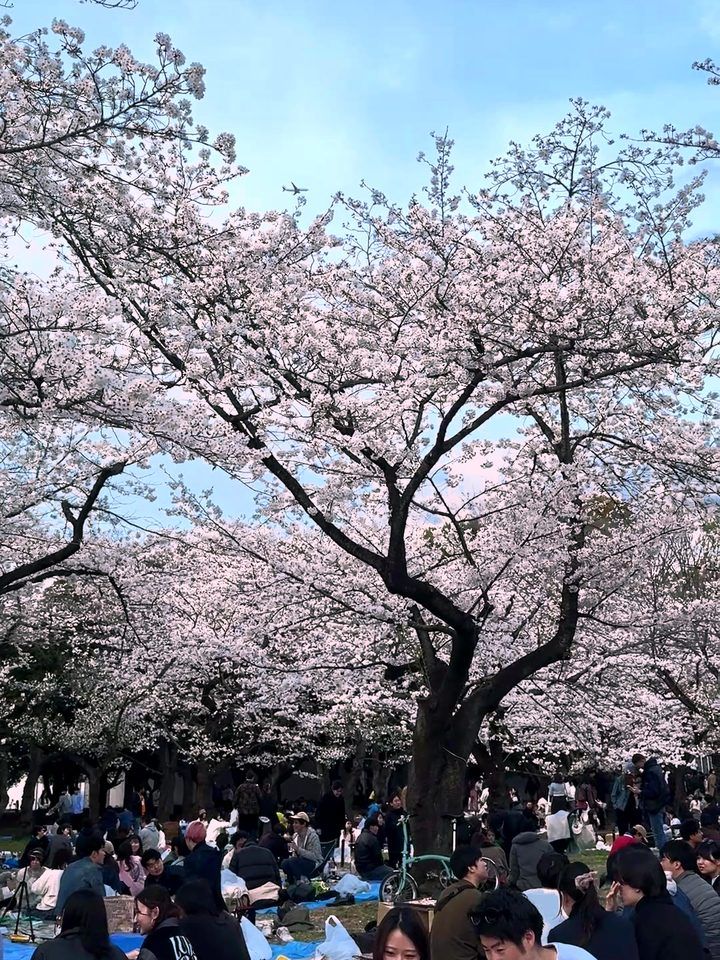
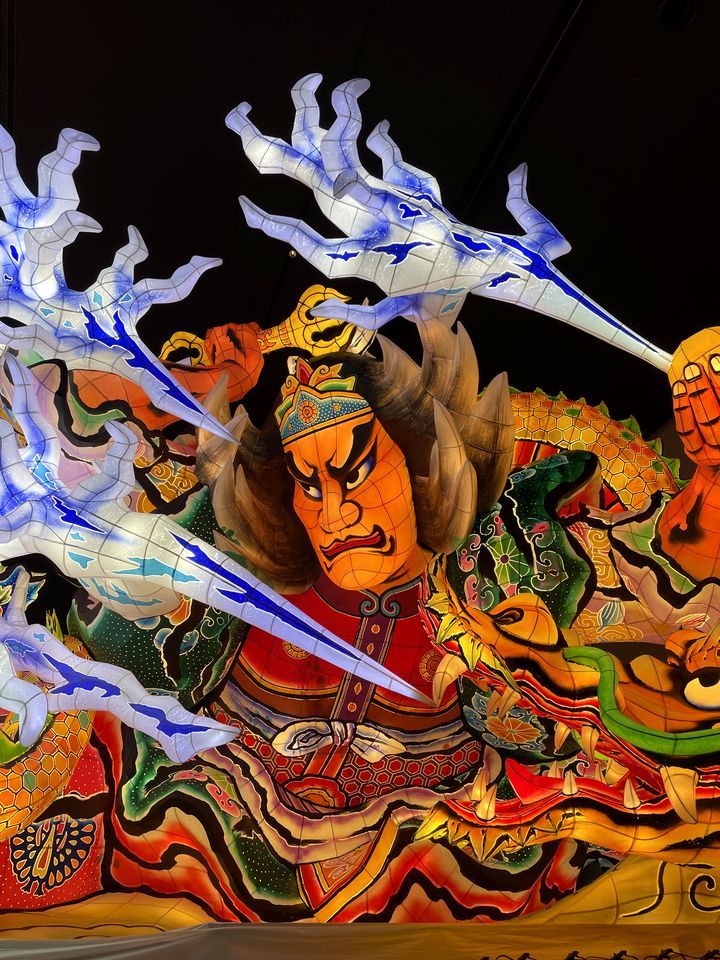
In Japan, eating what's in season — and feeling the season through it — is considered the height of good taste. For each season, here's my favorite experience and what I'd tell you to eat.
10 basic manners
We'd be so happy if you showed our country a little respect!
 Keep quiet on trains
Skip phone calls and speakerphone. If you're chatting in a group, keep the volume down. I fall asleep on trains when I'm tired, by the way — it's that peaceful.
 Don't eat while walking
Buy it, stand still, eat it, then move on. Convenience-store food is eaten inside or right outside the store, and the wrapper goes in the store's bin.
 Don't litter
Trash cans barely exist. Carry your garbage with you — cigarette butts included.
 No smoking while walking
Smoking is only allowed in designated areas. Where you can smoke depends on the district and the venue, so look around and be considerate.
 Don't cut in line
Japan lines up for everything — trains, convenience stores, elevators, ramen. Find the end of the line, join it, and never skip ahead.
 Mind your side on the escalator
Tokyo stands on the left, Osaka on the right. One side is for standing, the other for walking. Watch the locals and copy them.
 Be on time
No being late, no no-shows. A 7:00 reservation means seated at 7:00. A no-show is a real blow to a small restaurant. If plans change, let them know as early as you can.
 Go easy on strong scents on trains and at sushi counters
Most Japanese people naturally have very little body odor. Combined with a mild-flavored food culture and the humidity, people here are sensitive to smells. Keep perfume light and deodorant strong. Perfume is especially unwelcome at sushi restaurants.
 Don't leave rice behind
There's a saying in Japan that seven gods live in every grain of rice. Order only what you can finish.
 Shoes off indoors
Shoes come off inside homes. Some bathrooms even have their own dedicated slippers.
7 useful Japanese phrases
Even a little Japanese makes people here really happy! Tap the button to hear the pronunciation.
Audio uses your phone's built-in Japanese voice, so quality varies by device.
Apps that make Japan easy
AiraloBuy a Japan eSIM in the app and install it before your flight. With data you've got Google Maps, Translate, and the ability to find a ramen shop at 11pm. Get an Airalo eSIM →
RevolutHandy for paying and for pulling cash at convenience-store ATMs. The best exchange rate I've found, with no hidden fees. Get Revolut →
GOThe taxi-hailing app that boasts about five times the user share of Uber in Japan. A lifesaver when you've missed the last train. Pay by card in the app.


SuicaAdd it to Apple Wallet or Google Wallet before you land. One tap pays for trains, buses, vending machines, convenience stores, and lots of restaurants.
PayPayJapan's QR-code payment app, accepted almost everywhere — including tiny lunch spots that don't take cards. With Suica and PayPay, you'll hardly need cash in Tokyo.
Safety tipsEarthquake, tsunami and weather alerts in English, from the Japan Tourism Agency. Let's hope it never goes off!
Google MapsTokyo has 286 stations — even I, a local, can't get around without it. I use it every day.
Why Japan feels like nowhere else
For more than 200 years (1639–1853), Japan was almost completely closed to the outside world. Thanks to the long peace of that isolation, Japanese culture grew and refined itself with very little influence from neighboring countries. Sushi, ukiyo-e woodblock prints, and kabuki are the classic examples — and you can still experience them today, just as they were.
The other foundation is Shinto. It holds that yaoyorozu no kami — eight million gods — live in everything. So people show respect to objects, to nature, and to each other, and they've always welcomed cultures from outside rather than rejecting them. The originality polished during the closed years, plus the absorbency that came after: put them together and you get a country that is complex yet perfectly ordered. A little mysterious, in the best way.
A much more detailed paid edition is in the works! Follow @yoko.eats.the.world so you don't miss it.