How to Order Wine at a Restaurant with Confidence
Translated from my original Japanese post (2018). 日本語の原文を読む →
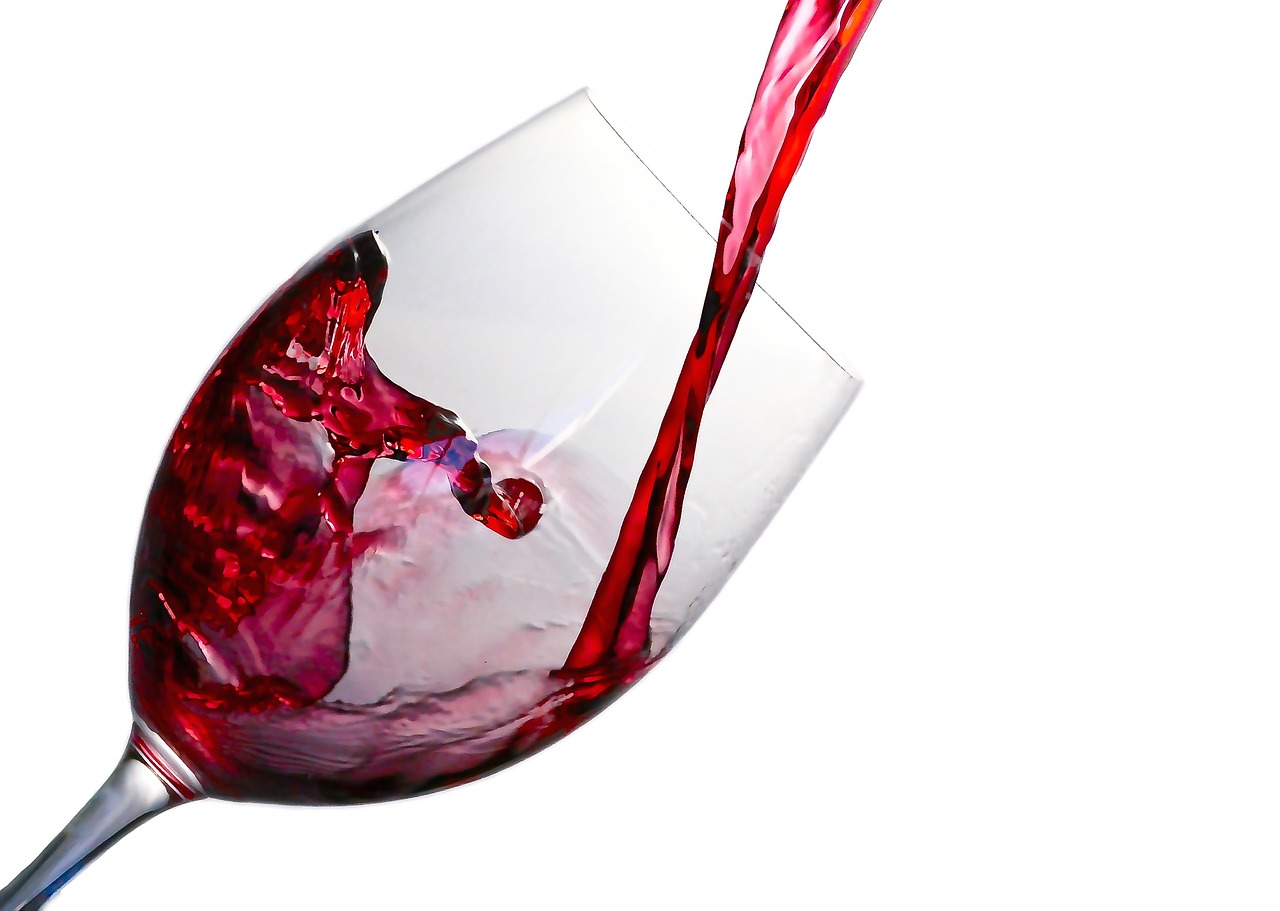
This post is for anyone who gets weirdly tense or starts acting suspicious when ordering wine at a restaurant...
I order wine about half the week, so I'm going to walk you through how to order wine without embarrassment.
First, set a budget

Start by deciding your budget based on how much you want to drink and how many people are drinking.
Out of the blue: how much wine do you think is in one bottle?
The answer is...
.
.
.
.
.
750 ml! (There are occasional exceptions, like Japanese wines sold in 1.8-liter bottles.)
That works out to roughly 6 to 9 glasses.
One glass is normally 125 ml, but at some places it feels more like 90 ml.
At a casual place you pour the wine yourself, so if ten of you are eating and everyone is drinking wine, it's your chance to order an expensive bottle (lol).
Even a ¥10,000 bottle is only ¥1,000 per person, which feels like a bargain! Of course, expensive doesn't always mean delicious,
and once you go past ten people each person's share gets really small (lol).
When I'm drinking with a big group, I ask "Who's having wine?" and set the price limit at about ¥1,000 per glass for the number of people who raise their hands.
Red? White? Or rosé?
If the wine doesn't match the food you've ordered, it can be a disaster, so decide between red and white by thinking about when in the meal you'll drink it and which dish it will accompany.
Generally, sparkling wine is good early in a course meal, with appetizers, because it stimulates your appetite.
For fish dishes, white is the way to go.
If the main dish is rich, or you're having meat, go with red.
For a light meal or a hot day, I think rosé is great.
I'm firmly in the camp that wants something bubbly for the very first glass, so I often order sparkling wine like Champagne or Cava.
At an izakaya (Japanese pub), there's a 90% chance I'm having a fresh grapefruit sour (lol).
By the way, Champagne is just one kind of sparkling wine, so if you ask for "Champagne" they may not have it. Watch out!
Try describing the wine you want

Try to describe the wine you want as specifically as possible, using "body," "aroma," "flavor (sweetness, acidity, tannin and so on)," and "finish"!
For example, here's how I'd describe my favorite kinds of white and red...
"Do you have a dry white with low acidity and tropical fruit aromas like mango?"
"Do you have a red with aromas of sweet fruit like strawberry, or something floral, with silky tannins and a long finish?"
Of course, in real life I don't rattle all this off at once (lol).
But the more specific you are, the more satisfying it is for the sommelier too!
A proper restaurant will always suggest a few wines.
I'll explain each point one by one.
"Body"
This basically corresponds to "heavy" and "light." It's mainly used for red wine.
Going from light-bodied to medium-bodied to full-bodied, the red gets progressively richer and heavier.
Even with meat dishes, if it has a light flavor, like a tomato sauce, medium-bodied is good, and if it has demi-glace or is beef stew, full-bodied is recommended.
Instead of just heavy or light, you get three choices: light-, medium-, and full-bodied, which easily makes your order more accurate!
That said, when you're not used to wine, you have no standard for what's heavy and what's light, so it's hard.
In that case, ask the staff or the people you're drinking with what body the wine is, drink it, and build your own reference point.
"Aroma"
Use your imagination and simply tell them the aromas you like or ones you think would go with the food!
White flowers, lemon, banana, peach, pear, vanilla, blackcurrant, strawberry, lychee, tropical fruit, and so on.
This is also hard to put into words at first. I think the best approach is to drink lots of grape varieties and wines from different countries and connect them to what the staff explain.
I often freeze up mid-sip wondering "What is this aroma?" too (lol).
"Flavors such as sweetness, acidity and tannin"
Slightly sweet, brothy (often found in natural wines), refreshing acidity like lemon, a big alcohol presence, velvety tannins, rough tannins, and so on.
"Finish"
You describe it as long or short. About 3 to 4 seconds is short, and over 7 seconds is long.
A wine with a distinctive aroma and flavor and some depth has a long finish you can enjoy.
That doesn't mean longer is always better.
When you're drinking with a meal, a long finish isn't that enjoyable, so a short one may be better.
A wine with a long finish is great when you're enjoying the wine itself with some snacks. You can sip it and swoon over the finish.
How to order

Let's order wine following five steps!!
The steps are the same for wine by the glass or by the bottle, but if the menu only seems to have wine by the glass, the restaurant may not put much effort into wine...
Some places still have plenty of wines by the glass, so it's a good idea to ask "Do you have a few options?"
5 steps to get the wine you like
2. Next, tell them your budget. You can say directly, "under ¥5,000," or if you're shy in a quiet restaurant, point to the price on the menu and say, "around this budget..."
3. Based on "Think about what kind of wine you want to drink" above, tell them what your favorite wine is like. For example: "I'd like a tropical white with gentle acidity."
4. Listen to the sommelier's explanation with your whole heart and pick the one that feels right! At formal restaurants, the sommelier may pour a tiny amount for the person who ordered. This is a "quality check" for the wine, so if the aroma seems fine, turn to the sommelier with a smile and nod, or say "It's fine." The sommelier takes that as the OK and pours for everyone. Conversely, if it smells like a wet rag or something seems off, say so clearly.
5. Enjoy the wine's color, aroma, flavor, finish and so on, and check them against the sommelier's explanation. Try describing the wine with the people you're with, too. Talking about it teaches you what kind of wording gets the idea across! Don't be shy about odd descriptions like "wet puppy..." or worry that you sound pretentious! Be bold and describe it.
As you get used to ordering this way and keep repeating it, wines become much easier to remember.
You'll find wines you've had before or already know on the list more often, which is a little thrilling...
But memory is fuzzy and vintages differ in taste, so it's a good idea to check whether it matches your taste by asking, "Is this wine kind of like ...?"
...That's a quick summary. How was it?
If you've read this far, you'll surely be able to pull in the wine you like.
Every wine really does taste completely different, so each bottle is a once-in-a-lifetime encounter. If you want to get to know wine, just drink as many as you can.
Before long, you'll probably be surprised at how much more vocabulary you have!
And above all, drink it casually and enjoy yourself!