Vegan vs. Vegetarian: What's the Difference?
Translated from my original Japanese post (2020). 日本語の原文を読む →
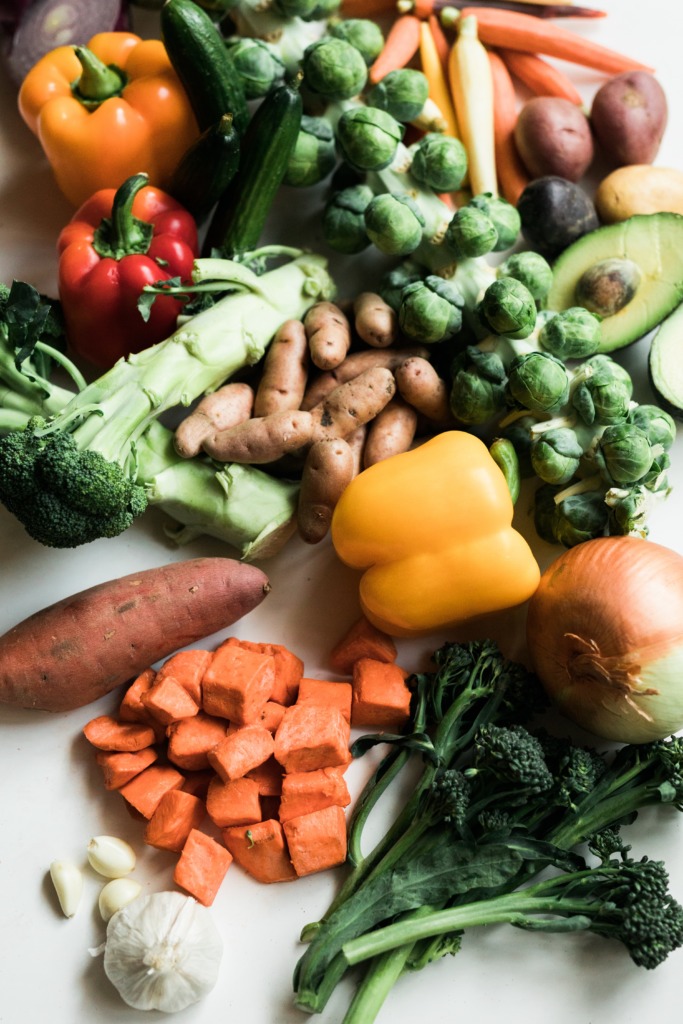
Salut! It's Yoko, and lately I've been writing a lot of vegan food posts.
Today I've put together the differences between each eating style for anyone wondering, "What are vegan and vegetarian, anyway? How are they different?"
There are more kinds of vegetarians than you might think, so it could be fun to see which style is closest to yours!
Vegetarian
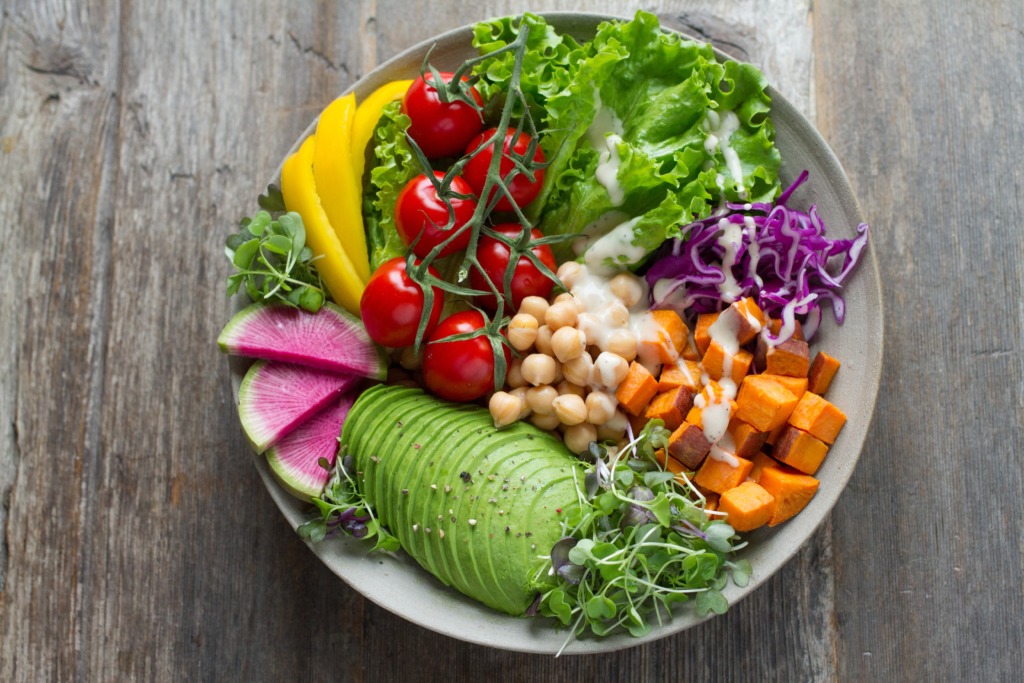
Being vegetarian means following a diet based on plants.
It's an umbrella term for plant-based eating styles, including veganism.
The leading theory is that the name came about when the Vegetarian Society was founded in England in 1847, combining "vegetable" with the Latin vegetus, meaning "lively and full of life in body and mind."
Vegan
Vegans are also called pure vegetarians.
Veganism is often described as strict plant-based eating: people who eat no animal products at all (meat, fish, dairy, eggs).
Some people don't eat honey either.
Also, based on the philosophy of veganism (that humans should not exploit animals), they avoid not only food but also animal products such as leather and wool.
Some people also avoid foods and detergents whose production harms the environment, such as palm oil.
It's a style that cares for the environment and animals!
Fruitarian
Personally, I think this is the toughest style.
Within veganism, it goes even further: people eat only foods such as fruit and nuts that grow on trees and don't take the life of the plant.
What "doesn't take a life" means is this: if you pick an apple, the apple tree itself doesn't die.
But if you pull up a carrot, it dies, so in this view you shouldn't eat it.
Steve Jobs reportedly was a fruitarian for about a year.
A Japanese researcher named Mizuki Nakano is also famous for having been a fruitarian for over 10 years.
I saw him on TV, and his skin was perfectly smooth!
Oriental Vegetarian
A plant-based philosophy rooted in Buddhism and common in Asia. In addition to meat, fish, and dairy, followers don't eat the five pungent vegetables (foods believed to boost vitality: scallions, chives, garlic, onions, and rakkyo, or pickling scallions).
That's a hard one for anyone who loves aromatics.
Lacto-vegetarian
Vegetables plus dairy (lacto means dairy). Butter, milk, cheese, yogurt, and cream-based foods are all fine.
Ovo-lacto-vegetarian
Also called lacto-ovo-vegetarian.
Vegetables plus eggs and dairy. You could even have a fried egg on buttered toast.
This seems to be the most common style among vegetarians in the West, and when people say "vegetarian," they generally seem to mean this lacto-ovo style.
Styles That Aren't Vegetarian
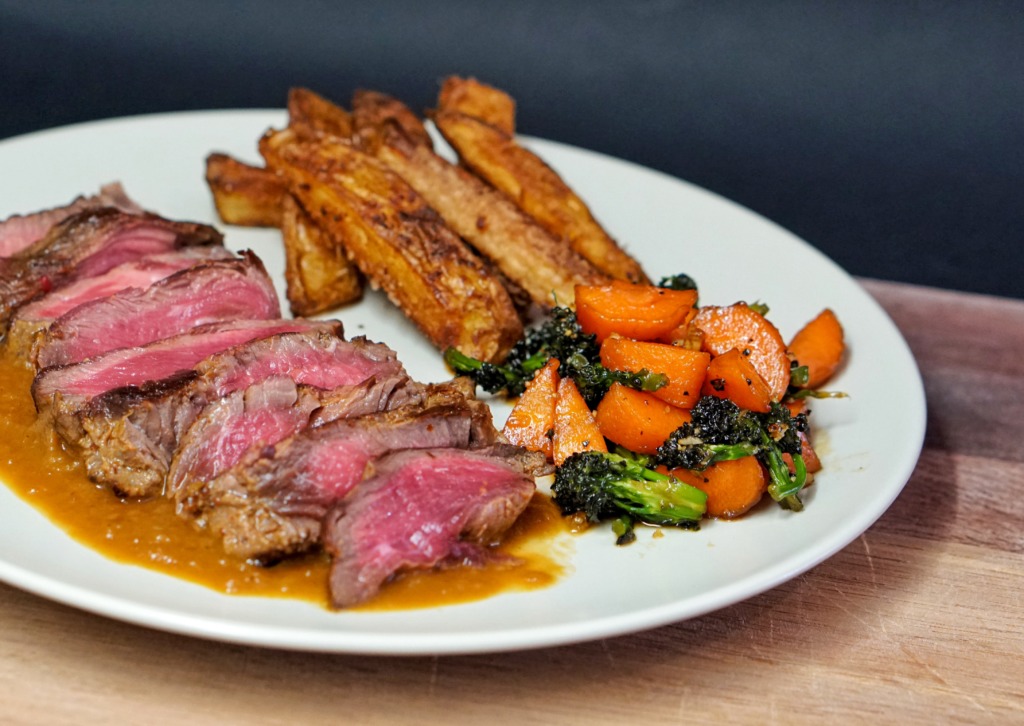
According to the International Vegetarian Union's definition, the following are not vegetarian. Many of these styles allow meat or fish, unlike vegetarianism.
Pescetarian (Pesco-vegetarian)
Pescetarians eat seafood, eggs, and dairy but avoid only meat. I feel like many Japanese people nearly fit this...?
Flexitarian
The name comes from "flexible" plus "vegetarian." Examples include being vegetarian at home but eating anything when dining out, or being vegetarian only on weekends. It's a flexible style where you set how often you eat meat or fish and eat them occasionally.
By the way, Paul McCartney apparently runs a campaign called Meat Free Monday, where people skip meat on Mondays. I guess people abroad tend to eat meat every day...
Macrobiotic
Macrobiotic means "the art of great life." In ancient Greek, macro means "large," bio means "life," and tic means "art," I'm told.
It's an eating method that originated in Japan, and it's said that Yukikazu Sakurazawa began giving lectures on it in 1928.
No meat, eggs, or dairy.
You eat organic brown rice, whole grains, beans, vegetables, and seaweed, and occasionally fish.
A defining feature is eating seasonal produce whole, wasting nothing. For carrots, for example, it's recommended to cook them unpeeled, leaves included.
It also uses naturally derived ingredients in everything, so you'd use beet sugar or maple syrup for sweetness and make dashi (Japanese stock) from kombu seaweed rather than using granules.
In Japan, macrobiotic might be better known than vegetarian.
Summary
That's a rundown of the styles. Did any of them match your own way of eating?
I'm not quite a full vegan yet, so I think I'm probably a flexitarian for now.
Knowing the different styles helps you decode packaging when you see labels like "Vegan",
and if you eat everything, having a restriction on purpose can lead you to new dishes and ingredients.
Changing what you eat also makes it easier to notice changes in your body, so if you're feeling a bit off, it might be worth trying a vegetarian-style diet!
See you next time!