How to Prep Fresh Sansho Peppercorns and Keep Them for a Year
Translated from my original Japanese post (2020). 日本語の原文を読む →
Salut! It's Yoko, food blogger and food coordinator.
For anyone unsure how to prep fresh sansho berries, I've put together how to prepare them and how to store them long term.
Prepping Asakura sansho
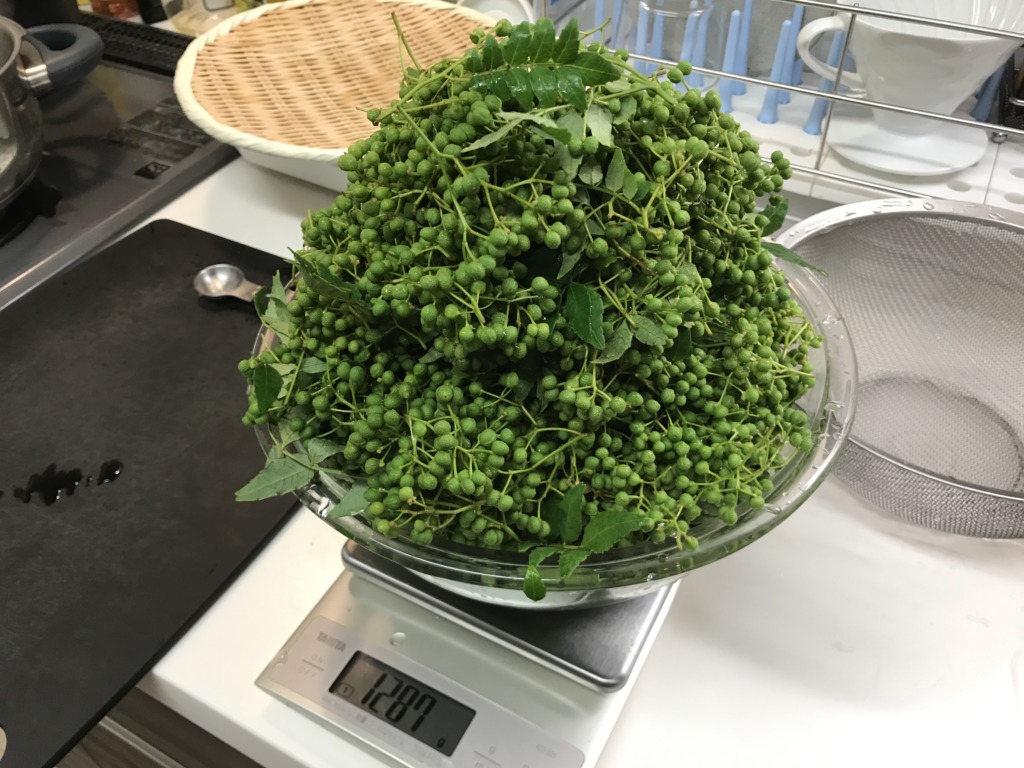
Out of the blue the other day, I was given a huge amount of fresh sansho berries (Asakura sansho)!
Here is the Asakura sansho that arrived at my house.
It was a whopping about 1.3 kg (2.9 lb)!!
I doubt I'll ever see this much Asakura sansho again, lol.
So let's start prepping right away.
Step 1: Wash in water
The berries might have mud or debris on them, so wash them well, changing the water several times.

By the way, if you taste one at this stage, it's still quite bitter and properly hot.
If you have a large amount of sansho, weighing it at this stage lets you estimate how long the work will take.
(See Step 3 for a guide to the time needed.)
Step 2: Boil
Next you boil the sansho... but if you want a neat result, I recommend removing the twigs before boiling!
Bring water to a boil in a pot, add salt and boil. (Salt is optional.)
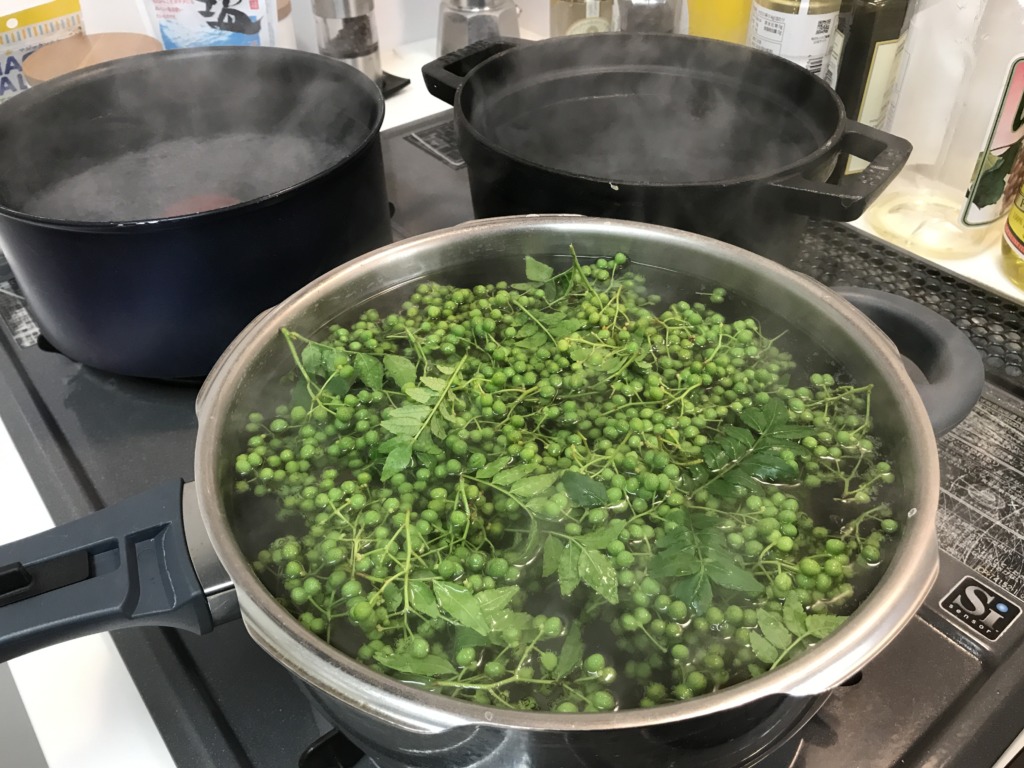
If you use salt, about 1 tablespoon per 1.5 L of water is enough. A generous amount of water, so the berries can swim, will cook them faster.
There was so much that I used all three burners at once.
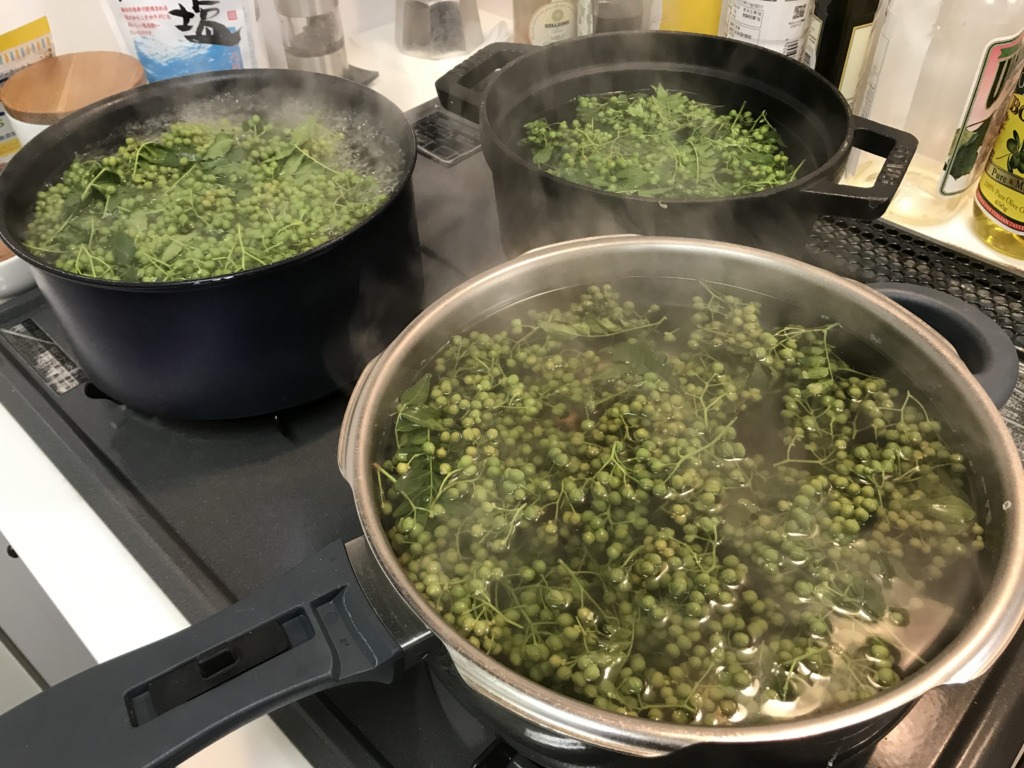
Boiling time is about 3 to 12 minutes. It varies quite a bit, because some berries are harder depending on when they were harvested.
So don't worry about the clock, and check the tenderness of the berries often.
When you can squash one between your thumb and index finger, it's done.
Apparently some sturdy berries stay hard even after boiling, lol. The owner of an izakaya (Japanese pub) I often go to makes sansho oil with those!
If your sansho is too hard and you're stuck, turn it into sansho oil!
Here's how to make sansho oil.
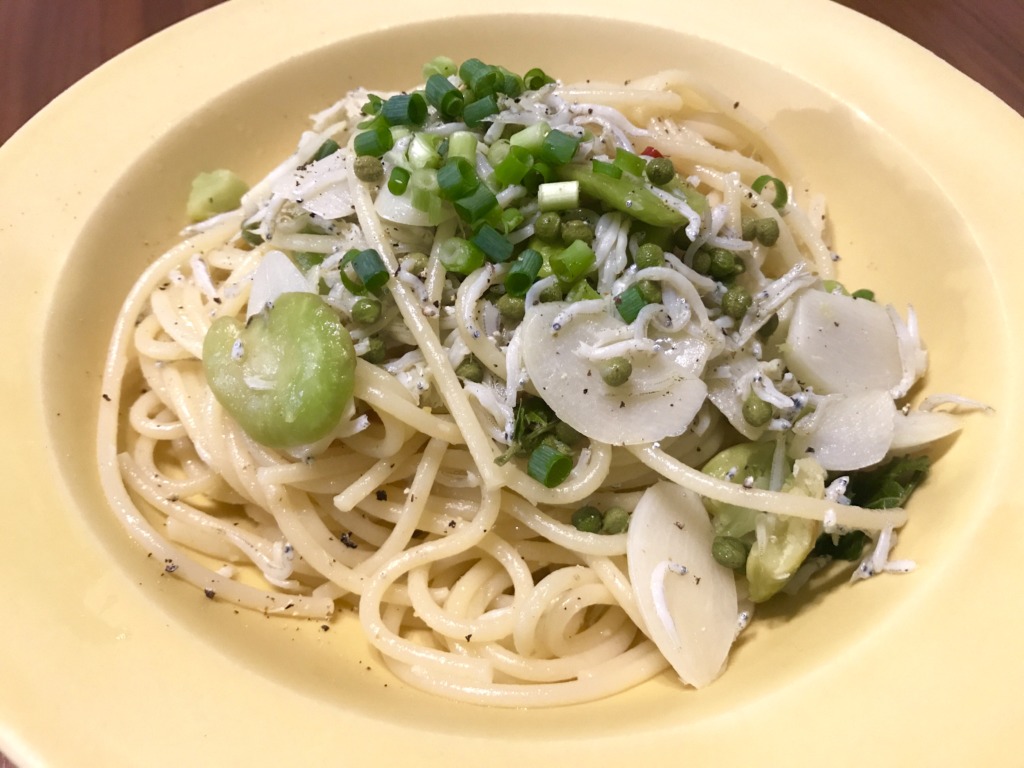
Step 3: Remove twigs and stems
Separate the berries from everything else on the boiled sansho!
The twigs aren't needed at all.
The leaves are what's known as kinome. Kinome has a fresh fragrance and is cute and elegant, so I kept a few.
The stems are soft and fine to eat, so it's up to you, but I wanted to do a careful job, so I removed every stem.
Removing the stems is seriously hard work!!

The sansho I was given the other day was a whole 1 kg!!
Remove stems → boil in salted water for 10 minutes → soak in water for half a day
→ remove bitterness → freezeRemoving the stems alone took 15 hours...
Tips for removing stems efficiently:
- Get several people to help (one person can't do it)
- Remove the stems before boiling
- Snap off several berries at a time at the base #homecooking #poivrejaponais #sansho pic.twitter.com/htVDcO7L2N— Yoko 😋 Gourmet Hunter 🐿 (@foodie_yoko) June 12, 2020
Removing the stems from about 1.3 kg of sansho took two of us more than 10 hours, lol
If you only remove the twigs it wouldn't take nearly this long, but getting every stem takes about this much time...
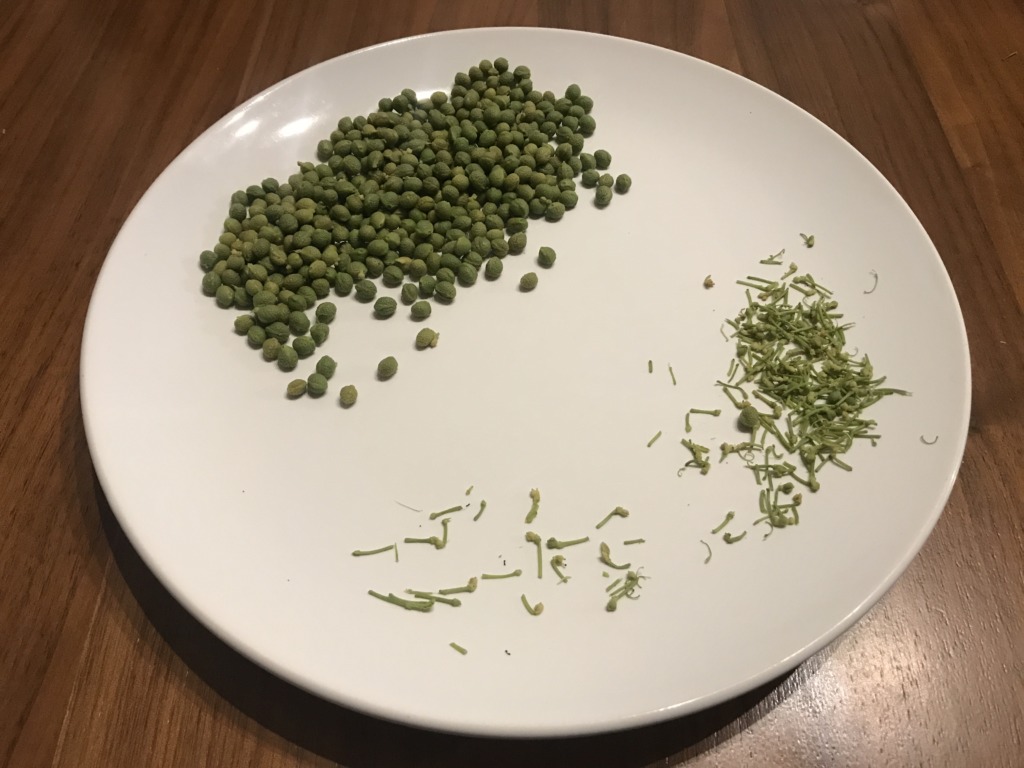
They're this tiny, so...
I spread it over about 3 days, so reduce the amount of sansho, add more people, or give up on the stems, whichever suits you, lol.
That said, the sense of accomplishment when you finish removing the stems is huge, lol.
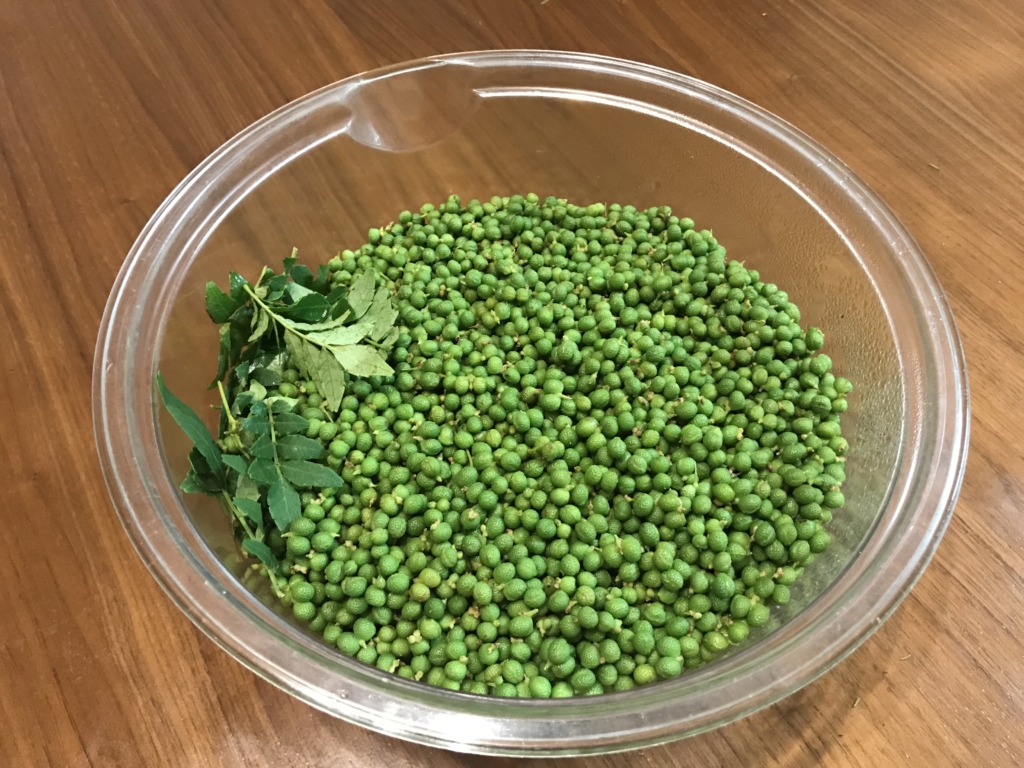
If you want to remove the stems, it's easier to do it before boiling, so do it first.
With the stems removed first, the sansho even looks prettier while it simmers.
Step 4: Remove the bitterness and adjust the heat
Boiling removes quite a bit of the bitterness, but the heat doesn't go away easily.
So soak the sansho in water. How long to soak is entirely up to you. Some people say 10 minutes, others a day and a night.
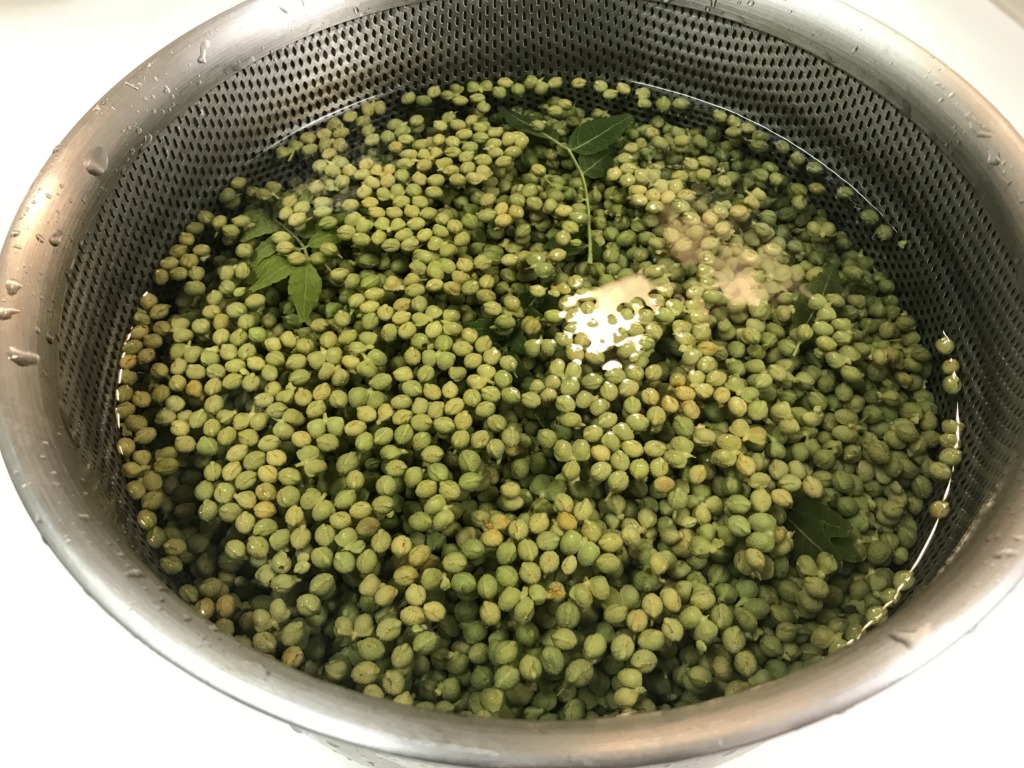
I'm not great with spicy food, and I wanted to take out enough heat that I could use plenty at once, so I soaked mine for about 8 hours.
If it's your first time prepping sansho, taste it from time to time and adjust the time!
Step 5: Freeze, or store in salt water
When the sansho is as hot as you like it, drain it well, put it in a storage bag and freeze it!
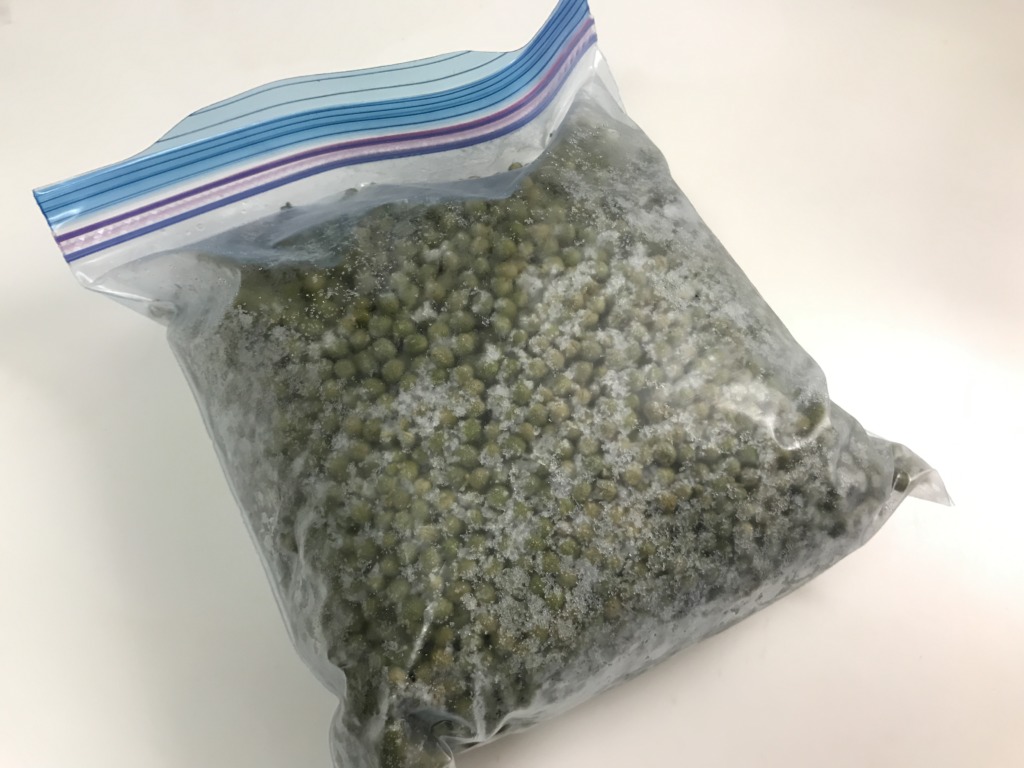
Frozen, it keeps, so you can enjoy sansho for a year!
If you only have an amount you'll use soon, you can also keep it in a jar of salt water.
I introduce sansho recipes in a separate article.
So enjoy Asakura sansho, which is in season right now, to the fullest!